


铁石心肠
Out-of-work Chinese actors turn to theme parks as immersive characters after AI squeezes short-drama jobs_我的网站

A |

There, they play martial arts heroes and folk characters for live audiences, finding steadier income and real-time connection with viewers.
"Earning a living with your own hands is nothing to be ashamed of," actress Luo Xinyuan told the Global Times, even as many still hold out hope, waiting for good scripts.
The migration reflects a stark reality. In the first quarter of 2026, AI micro-dramas accounted for more than 95 percent of all micro-dramas released industry-wide, sharply squeezing the space for live-action productions.
By July, pay for leading actors had shrunk by over 50 percent, mid-tier actors by more than 80 percent on average, and daily wages for bottom-rung extras had fallen into double digits, China's CCTV reported.
Luo, a 21-year-old actress, experienced the downturn firsthand. She came to Hengdian, China's largest film and television production base, to shoot short dramas. "When I first arrived, there were many crews preparing in one hotel. Now sometimes there are only one or two, or none," she told the Global Times.
This May, she began playing the role of Huang Rong, a beloved wuxia heroine, at Hengdian World Studios. Her daily routine includes interactive stage competitions, parades and live audience interactions, working nearly 13 hours daily during the peak summer season.
"It's tiring but fulfilling," Luo said. "There are no scripts here. It's more about playing with visitors face to face." The change has eased her anxiety. "When I was filming, I kept worrying about the next job. Now I feel more stable."
Yin Jiaxuan, 25, took a different route. He started his career as a professional character performer at major theme parks, starring in immersive shows based on popular game and film IPs before transitioning to short dramas and online movies in mid-2024.
At the industry's peak, he moved seamlessly between sets.
"One crew wrapped, and the next was already arranged. I'd go straight to makeup the next day and start filming the day after," he said. Now he keeps both identities, taking film roles when they come and returning to scenic spots during holidays.
Yin rejects the stigma that screen acting is the only proper path.
"Screen acting is seen as the professional main road, while street-level performance is treated as amateur work. This invisible prejudice has trapped many performers," he said. Yet the tangible stage offers something the camera cannot.
"Performance comes from life and is higher than life - that is the core of film creation. But now I realize that beyond artistic expression, performance is about building human connections."
Both actors shared that theme park characters must do more than act; they must draw tourists into the scene, delivering emotional value on demand. Visitors come to the scenic spot not just to sightsee, but "to step into a fantasy."
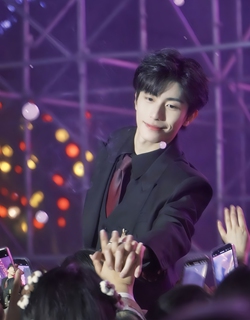
Every extra 30 minutes of stay raises the probability of secondary consumption by about 25 percent, according to local data. Revenue jumped from about 80 million yuan ($11.86 million) in 2022 to 1.27 billion yuan in 2025.
While Hengdian World Studios has used characters to boost repeat visits, with annual pass holders returning multiple times "for a specific character."
Cultural scholar Yu Jinlong told the Global Times that the influx of trained actors is upgrading immersive tourism.
"In the past, theme park characters were mostly amateurs doing costume photos. Now professional actors can build complete characters, improvise and connect storylines, turning scenic spots into open-air theaters," he said.
Yu pointed out the uniqueness of China's character boom compared with global immersive entertainment.
"Unlike Western theme parks that rely heavily on mature imported IPs and standardized performances, China's scenic character culture is rooted in local wuxia (martial hero) history and folk customs, encouraging personalized improvisation. Many local scenic spots create hit immersive projects with small investments, forming a unique online-offline communication loop via social media," Yu said.
As China's cultural consumption shifts from sightseeing to participation, Yu said the young actors swapping short drama sets for scenic spots may be shaping a new hybrid career for the country's entertainment workforce.
For Luo, the recognition from visitors is a reward in itself.
"There are tourists who travel from far away just to see my performance. It feels good to be recognized," she said. "Actually, I'm still exploring too. But I think you should do what you love, as long as you have the ability."
。

B | 第六局由墨菲率先上手得分,但他没能一杆清台,塞尔特终于拿下本场个人首分。第五局墨菲进攻行云流水,一红一黑不断入袋,现场观众发出惊呼赞叹,可惜第15颗黑球停在袋口没进,与147满分杆失之交臂。

C | 至此墨菲的连续无对手得分定格在607分,一举刷新“火箭”奥沙利文此前创下的纪录。2014年大师赛上,奥沙利文对阵里奇·沃顿曾连续轰下556分、对手一分未得,这项纪录尘封了12年之久。墨菲拿下第六局、以6比0横扫塞尔特,复刻了2014年奥沙利文在亚历山德拉宫6比0大胜沃顿的场面。根据英国《地铁报》的说法:“客观来说,中国举办赛事的台呢、球袋条件相比英国本土赛事更容易打出高分,球袋袋口更宽松,选手更容易连续上分。但所有参赛选手面对的都是同款球台,抛开场地条件不谈,墨菲本场发挥依旧堪称惊艳。”这位“魔术师”晋级16强后,下一轮对手是肖国栋;中国选手肖国栋在首轮比赛中6比3击败安东尼·麦克吉尔。43岁的墨菲似乎已经走出5月克鲁斯堡世锦赛决赛决胜局不敌吴宜泽的失意阴霾。今年世锦赛上,这位英格兰老将发挥十分出色,但最终以17比18惜败于22岁的中国新星,与个人第二座世锦赛冠军擦肩而过。本赛季二人再度交手,墨菲上海大师赛5-6再负吴宜泽。墨菲早年的绰号是“稳定先生”,打法均衡,极少波动;后来“魔术师”绰号深入人心,母球控制登峰造极,擅长多库绕球、极限薄球、刁钻翻袋,看似无解的局面总能打出意想不到的解球与进攻,观感如同魔术变戏法。另外,与吴宜泽这种依赖准度的准神不同,墨菲衔接能力出色,战术思路灵活,创造力十足,经常有观众预判不到的构思。

D |
Current article:http://wtp4.bianneixuanbingqinyouxie.buzz/8nnnd/7so4.html
Published on:14:05:11
 龙行龘龘·巳巳如意|2025年上海尚德实验学校教工迎新盛典
 Northern Europe continues to brace for gale-force winds and floods
 区领导调研指导“五经普”普查登记工作
 恒生科技指数跌幅扩大至3%
 自然资源部对广西启动地质灾害防御Ⅳ级响应
 2025天猫淘宝618红包活动第二波5月27日10点首发:京东618活动满减优惠攻略及时间表大全一览
 为何某人特别招蚊子?新研究给出科学解释
 Dxomark:华为Mate20 Pro相机正在测试中,文章很快就会发布。
 《GTA6》第11段实机投票来了:海滩/高跟鞋俱乐部/"天体"小镇
 【悦园资讯】互通互鉴 同研共思
 Alimony Rights: क्या तलाक के बाद पति को भी मिलता है एलिमनी का पैसा, जानें क्या कहता है नियम
 超级个体的创意工作室来了!腾讯AI创意智能体Miora全量上线